
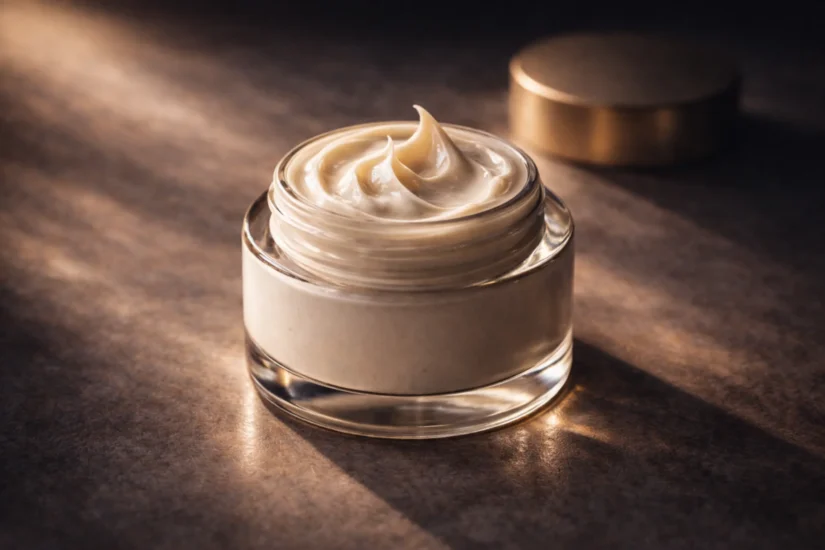
Learn how ceramides for skin barrier repair restore hydration, protect dry or sensitive skin, and strengthen your natural defense.
If your skin suddenly feels tight, reactive, or unusually sensitive, your skin barrier may be struggling — and sometimes, even your usual moisturizer doesn’t seem to help. The good news? With the right approach, barrier recovery is possible, and ceramides can play an important role in helping restore balance.
When the skin barrier is compromised, moisture escapes more easily, which can lead to dryness, sensitivity, and discomfort. This process is often linked to increased transepidermal water loss (TEWL), making it harder for your skin to stay hydrated and balanced.
That’s where ceramides come in. These naturally occurring lipids act like the “mortar” between your skin cells, helping maintain hydration and support the skin’s protective structure. Whether your skin feels dry, red, or over-exfoliated, ceramides can help improve moisture retention and support overall skin resilience over time.
In this guide, you’ll learn how ceramides support skin barrier health, how to use them effectively, and how to build a routine that keeps your skin calm, hydrated, and balanced.
Key Takeaways
- Ceramides help support the skin barrier and improve moisture retention
- A weakened barrier can lead to dryness, sensitivity, and irritation
- Combining ceramides with hydrating ingredients can enhance results
- A simple, consistent routine supports long-term skin balance
- Over-exfoliation is one of the most common causes of barrier stress
Ceramides help support the skin barrier by reinforcing the lipid layer, improving moisture retention, and reducing transepidermal water loss. They support barrier function and protect the skin from external irritants, making the skin more resilient over time.
Table of Contents
- What Are Ceramides?
- What Do Ceramides Do for the Skin Barrier?
- What Is the Skin Barrier?
- How Ceramides Support Skin Barrier Repair
- How to Use Ceramides in Your Skincare Routine
- Ceramides vs Hyaluronic Acid: Which Is Better for Your Skin?
- Best Ceramide Moisturizers for Skin Barrier Health
- Common Skin Barrier Repair Mistakes
- Frequently Asked Questions
What Are Ceramides?
Ceramides are naturally occurring lipids that make up a significant portion of your skin barrier. They help maintain hydration, reduce moisture loss, and protect against environmental damage.
They work together with cholesterol and fatty acids to form a strong, protective lipid barrier that keeps your skin balanced and resilient.
These lipids are essential for maintaining the skin’s lipid layer and supporting long-term barrier repair.
If your skin barrier is already damaged, using ceramides consistently can help support repair, restore hydration, and improve overall skin resilience over time.
What Do Ceramides Do for the Skin Barrier?
Ceramides help support the skin barrier by filling the gaps between skin cells and reinforcing the lipid layer. They help reduce moisture loss, lock in hydration, and protect against external irritants.
Key benefits of ceramides:
- Strengthen the skin barrier
- Support skin barrier repair
- Reduce transepidermal water loss (TEWL)
- Improve moisture retention and hydration
- Support the lipid layer
- Reduce sensitivity and irritation
By supporting the lipid structure, ceramides help maintain hydration and improve overall skin balance over time.
What Is the Skin Barrier & Why It Matters
Your skin barrier — also called the moisture barrier — is a thin but powerful layer that shields your skin from pollution, dehydration, and daily stress.
It’s made up of lipids like ceramides, cholesterol, and fatty acids that act as the “mortar” keeping your skin cells sealed and healthy. This protective layer helps reduce transepidermal water loss (TEWL) and maintain optimal hydration levels.
When this layer is damaged by harsh cleansers, exfoliants, or cold weather, your skin loses moisture and becomes dry, red, and sensitive. Ceramides help support the structure that keeps the skin balanced and resilient.
If you’re struggling with ongoing irritation or tightness, check out our full guide on skin barrier repair for easy ways to restore balance before it leads to more damage.
Pure as Beauty Tip: If your skin feels tight after cleansing, use a gentle, fragrance-free moisturizer with ceramides, niacinamide, and hyaluronic acid to soothe and strengthen your barrier.
A strong skin barrier helps protect your skin from external stressors and maintain overall skin balance.
Signs Your Skin Barrier Is Damaged
A weakened skin barrier doesn’t always look the same for everyone, but there are a few common signs that may indicate your skin needs extra support.
You may notice:
- tightness after cleansing
- increased sensitivity or stinging
- redness or irritation
- dryness that doesn’t improve with moisturizer
- a rough, flaky, or uneven texture
- skin that feels more reactive than usual
Many people notice these changes after using too many active ingredients or switching products too frequently. Environmental factors like cold weather, wind, or low humidity can also make these symptoms more noticeable.
When your skin barrier is compromised, it may struggle to retain moisture effectively, which can leave your skin feeling dry, uncomfortable, and out of balance.
Pure as Beauty Tip: If your skin stings after cleansing, it’s a sign your barrier needs rest. Simplify your routine for a few days and focus on hydration.
How Ceramides Support Skin Barrier Repair
Ceramides help support skin barrier repair by restoring the lipid layer, reducing moisture loss, and improving hydration. They work alongside cholesterol and fatty acids to strengthen barrier function and protect against external irritants.
Ceramides are considered one of the most important ingredients for skin barrier repair. Imagine your skin barrier as a wall built from tiny cells — and ceramides for skin barrier protection as the mortar that keeps them sealed.
When that “mortar” weakens, your skin loses moisture, leading to dryness, irritation, and sensitivity.
They may help restore the skin’s natural lipid balance and improve long-term hydration.
Consistent use of ceramide-based formulas can make a noticeable difference in how the skin feels. Ceramides may help restore this structure by replenishing essential lipids and improving moisture retention.
Unlike ingredients that only sit on the surface, ceramides work within the lipid layer to improve elasticity and long-lasting hydration. With regular use, they strengthen your natural defense and leave your complexion soft, balanced, and radiant — especially if you have dry or sensitive skin.
Many people find that consistent use of ceramide-based skincare helps the skin feel softer, calmer, and more balanced over time.
Pure as Beauty Tip: Apply your ceramide moisturizer on slightly damp skin after cleansing to lock in hydration and enhance your natural glow.
How to Use Ceramides in Your Skincare Routine
To use ceramides effectively for skin barrier repair, apply them after hydrating ingredients and before sunscreen or night cream. A consistent routine with gentle cleansing, hydration, and ceramides can help restore the skin barrier and improve long-term skin health.
A damaged skin barrier requires a gentle, consistent routine focused on hydration, barrier support, and avoiding harsh ingredients.
Simple Skin Barrier Repair Routine
This routine helps repair a damaged skin barrier, improve moisture retention, and support overall skin balance.
How to use ceramides:
1. Cleanse gently
Start with a mild, non-stripping cleanser to remove impurities without weakening your skin barrier.
2. Apply a hydrating serum
Use a serum with hyaluronic acid or glycerin to boost hydration and support moisture balance.
3. Apply a ceramide moisturizer
Ceramides help support the lipid layer, lock in moisture, and strengthen barrier function.
4. Protect your skin (morning)
Use a lightweight ceramide moisturizer followed by SPF to protect against UV damage and environmental stressors.
5. Repair overnight (night)
Apply a richer ceramide cream at night to support overnight recovery and hydration.
6. Keep it simple
Avoid overloading your routine with too many actives. Focus on consistency and barrier-friendly ingredients.
Pro tips for better results:
- Follow a consistent skin barrier repair routine
- Apply ceramides on slightly damp skin to improve absorption
- Avoid over-exfoliating while repairing a damaged skin barrier
4-Week Skin Barrier Support Plan
If your skin feels compromised, a simple and consistent routine can help support recovery over time.
Week 1 – Reset: Focus on gentle cleansing and hydration. Avoid active ingredients and keep your routine minimal.
Week 2 – Hydrate: Introduce consistent use of a moisturizer that supports the skin barrier and improves moisture retention.
Week 3 – Strengthen: Continue hydration and support your skin with barrier-focused ingredients like ceramides and calming formulas.
Week 4 – Maintain: Keep your routine simple and consistent. Avoid over-exfoliation and focus on long-term skin balance.
Skin often responds better to consistency than complexity, especially when your barrier feels stressed. This routine can help support barrier recovery and improve hydration over time.
How Often Should You Exfoliate?
When your skin barrier feels compromised, reducing exfoliation can help support recovery and improve overall skin comfort.
In general:
- sensitive or stressed skin → limit exfoliation
- balanced skin → 1–2 times per week
- avoid combining multiple exfoliating products
Over-exfoliation is one of the most common reasons skin may start to feel irritated, dry, or reactive. Keeping your routine simple during this time can help your skin maintain better balance.
For a more detailed breakdown, see: How Often Should You Exfoliate?
Are Ceramides Good for Acne or Sensitive Skin?
Ceramides are suitable for acne-prone, sensitive, and aging skin because they help restore the skin barrier without clogging pores. A stronger barrier can reduce irritation, improve hydration, and support overall skin balance.
For acne-prone skin, ceramides help reduce irritation and support barrier repair without clogging pores.
For sensitive skin, they help calm redness, strengthen the skin barrier, and improve overall skin resilience.
For aging skin, ceramides help restore the lipid layer, improve moisture retention, and support smoother, more resilient skin over time.
Plant-Based Ceramides: Are They Just as Effective?
As clean beauty and sustainability continue to grow, many skincare brands now use plant-based ceramides instead of synthetic ones.
These vegan ceramides, often derived from rice, wheat, or soy, closely mimic the natural lipids found in your skin — helping improve moisture retention and reduce sensitivity.
When used consistently, plant-based ceramides can support barrier repair, improve hydration, and help maintain long-term skin balance.
For eco-conscious routines, they’re a gentle and effective option that supports both healthy skin and a more sustainable approach to skincare.
Pure as Beauty Tip: Combine plant-based ceramides with calming ingredients like aloe vera, oat extract, or squalane for a naturally soothing, balanced skincare routine.
Ceramides vs Hyaluronic Acid: Which Is Better for Your Skin?
- Hyaluronic acid: draws water into the skin (hydration boost)
- Ceramides: lock in moisture and support the skin barrier
- Best approach: use both together for hydration + barrier repair
Both ceramides and hyaluronic acid are hydration essentials — but they work in different ways to keep your skin healthy.
Hyaluronic acid acts like a sponge, drawing water into the skin for instant plumpness.
In contrast, ceramides may help maintain barrier function by locking in moisture, preventing dehydration and reinforcing your skin’s natural defense.
If your skin feels dull or dehydrated, hyaluronic acid helps replenish water levels.
But if it feels tight, rough, or sensitive, you’ll benefit more from ceramides, which retain moisture, strengthen the barrier, and promote lasting hydration.
Pure as Beauty Tip: For the best results, use both — apply a hydrating serum with hyaluronic acid first, then layer a ceramide moisturizer to seal in hydration and maintain smooth, balanced skin all day.
To learn how to layer these ingredients correctly, explore our guide on how to layer skincare ingredients without irritation.
Best Ceramide Moisturizers for Skin Barrier Health
Choosing the right ceramide moisturizer for dry skin can make a visible difference in hydration, texture, and overall skin barrier health. The right formula helps restore the lipid layer, improve moisture retention, and support long-term barrier repair.
Look for products labeled with “ceramide complex,” “skin barrier repair,” or “lipid replenishing” — these formulas are designed to restore your skin’s natural defense and support barrier function.
What to look for in a ceramide moisturizer:
- Multiple ceramide types (NP, AP, EOP): Help restore the lipid layer and strengthen the skin barrier
- Niacinamide or cholesterol: Support barrier repair and improve skin texture
- Fragrance-free & non-comedogenic: Ideal for dry or sensitive skin
- Hydrating ingredients: Help improve moisture retention and support long-term hydration
How to choose the right formula
- Dry skin: Rich creams with ceramides, cholesterol, and fatty acids
- Sensitive skin: Minimal, fragrance-free formulas
- Oily or acne-prone skin: Lightweight, non-comedogenic moisturizers
Pure as Beauty Tip: Apply your ceramide moisturizer twice a day — in the morning to protect your skin barrier, and at night to support overnight repair.
If you’re unsure which ingredients to combine, our niacinamide guide explains how it supports barrier repair and hydration.
Common Skin Barrier Repair Mistakes (and How to Avoid Them)
Even the best skincare products can’t repair your barrier if your routine is too harsh.
Over-exfoliating, mixing too many actives, or skipping SPF are the most common skin barrier repair mistakes — and they can slow recovery.
To support healing, simplify your routine and focus on hydration, niacinamide, and ceramides for skin barrier repair.
These gentle ingredients help restore balance and keep your complexion calm.
Pure as Beauty Reminder: More isn’t always better — your skin thrives on consistency, not complexity. Stick to a simple routine that hydrates, protects, and strengthens your barrier over time.
Frequently Asked Questions About Ceramides for Skin Barrier Repair
1. What is the fastest way to repair a damaged skin barrier?
The fastest way to repair a damaged skin barrier is to use a simple routine with gentle cleansing, hydrating ingredients, and ceramides. Avoid harsh exfoliants and focus on barrier-supporting products to restore hydration and reduce irritation.
2. What are ceramides and why are they essential for the skin barrier?
Ceramides are natural lipids that make up over half of your skin barrier. They help your skin retain moisture, protect against irritation, and maintain a smooth, healthy texture.
3. Can ceramides repair a damaged skin barrier?
Yes — consistent use of ceramides can help repair a damaged skin barrier by restoring the lipid layer, improving hydration, and reducing sensitivity over time.
4. Do ceramides clog pores or cause breakouts?
No. Ceramides are non-comedogenic and suitable for all skin types, including oily and acne-prone skin.
5. When should I apply ceramide products in my skincare routine?
Apply ceramides after hydrating ingredients and before sunscreen or night cream to help lock in moisture and support barrier repair.
6. Can I combine ceramides with niacinamide or hyaluronic acid?
Yes. These ingredients work well together to hydrate the skin, support barrier repair, and improve overall skin balance.
7. Are plant-based ceramides as effective as synthetic ones?
Yes. Plant-based ceramides can help improve hydration, support barrier repair, and maintain skin balance when used consistently.
8. How long does it take to see visible results?
Many people notice improvements in hydration and overall skin comfort within a few weeks of following a consistent, gentle routine. Results can vary depending on your skin type, routine, and the level of barrier stress.
Your lifestyle also affects your skin barrier. Lack of sleep, stress, and dehydration can weaken your skin and slow down barrier repair. Supporting your overall well-being helps improve hydration, moisture retention, and long-term skin balance.
Final Thoughts: Strengthen Your Skin Barrier with Ceramides
A healthy skin barrier is the foundation of balanced, hydrated skin. If you’re dealing with dryness or sensitivity, ceramides can help support barrier repair, improve moisture retention, and protect your skin over time.
Keep your routine simple, stay consistent, and focus on hydration and barrier support for long-term results.
If you’re dealing with a damaged skin barrier, focusing on barrier repair and hydration is essential to restore balance and prevent further irritation.
Want to rebuild your barrier from the inside out?
Explore our complete Skin Barrier Repair Guide for simple daily care tips, product recommendations, and barrier-friendly skincare routines.
Disclaimer: The information provided in this article is for general educational purposes only and is not intended as medical advice. Skincare results may vary depending on individual skin type and routine consistency. Always patch test new products and consult a licensed dermatologist if you experience persistent irritation or sensitivity.