
A refined guide to magnesium for stress and better sleep. Discover the forms, rituals, and nightly habits that make magnesium a calming, modern essential.
In a world that rarely slows down, finding simple ways to unwind has become more valuable than ever. Among the many elements shaping contemporary wellbeing, magnesium has become an understated essential. Not because it promises dramatic change, but because it supports something more elegant — balance. A mineral the body recognizes, helping soften tension where it builds and encouraging a calmer transition into rest.
Stress and sleep now define much of the wellness conversation, and magnesium often sits quietly at the center of it. Used with intention, it supports relaxation, enhances nightly rhythm, and elevates even the simplest routine into something more grounding.
For many people, magnesium becomes part of a quiet evening ritual that supports a smoother transition into rest. Rather than focusing on outcomes alone, magnesium is often viewed as part of a broader approach to relaxation and evening balance.
As interest grows, common questions such as “does magnesium help with sleep and stress?” or “which magnesium is best for sleep and anxiety?” reflect a broader curiosity about practical, uncomplicated ways to unwind.
This is why magnesium for stress and better sleep has become a steady anchor in modern wellness routines, supporting calmer evenings and more restorative nightly rhythms.
Key Takeaways
- Magnesium is often included in routines designed to support relaxation
- It may help support a smoother transition into sleep when used consistently
- Different forms are often used depending on whether the focus is relaxation or sleep quality
- Magnesium is typically used as part of an evening routine rather than a standalone solution
- Consistency often matters more than intensity when using magnesium
Table of Contents
- Magnesium Benefits for Stress and Sleep
- Magnesium Types for Stress Relief & Sleep
- How to Use Magnesium for Stress Relief and Better Sleep
- Best Time to Take Magnesium
- Topical Magnesium for Stress Relief and Better Sleep
- Minimal Magnesium Night Routine
- FAQ
Benefits of Magnesium for Stress and Better Sleep

Magnesium is often associated with supporting relaxation and sleep quality. In moments of pressure, the nervous system shifts into alert and often stays there long after the day ends.
Those exploring magnesium glycinate for sleep or magnesium for stress and anxiety often find that the mineral offers a balanced, well-tolerated way to support a calmer internal rhythm. This gentle support is one reason magnesium for stress and better sleep has become a signature element in modern wellness routines.
People seeking magnesium for sleep & anxiety relief also appreciate how naturally it softens both mental and physical tension, making the transition into rest feel smoother.
The benefits of magnesium for stress and sleep are often recognized through four refined effects:
- Nervous system regulation: Helps the body return to a calmer, steadier state.
- Full-body tension release: Softens both physical and emotional tension.
- Evening relaxation support: Encourages a smoother unwinding process.
- Improved sleep quality: Enhances nightly rest in a subtle, non-disruptive way.
Modern life overstimulates the nervous system — late-night screens, irregular routines, and persistent mental load. Magnesium may help support a more balanced internal rhythm.
How Magnesium Supports the Body Under Stress
Magnesium is often considered to play a role in softening the body’s stress response. When tension rises, the nervous system often stays in a heightened state, making it harder to unwind. Magnesium for stress and better sleep helps ease this activation by reducing muscular tightness, calming the nervous system, and reinforcing the parasympathetic “slow down” response.
Magnesium for anxiety is often appreciated for its calming influence on the nervous system, especially when stress lingers throughout the day.
Its influence is not dramatic — instead, it brings a quiet easing of the body as it moves away from heightened states, creating the foundation for calmer evenings.
How Magnesium Supports Better Sleep
Magnesium doesn’t induce sleep; it prepares the body for it. By supporting muscle relaxation, steady breathing, and a calmer mind, magnesium for stress and better sleep helps the body enter a deeper state of rest. Many people notice fewer nighttime interruptions and more consistent sleep cycles when magnesium becomes part of their evening rhythm.
This is also why magnesium for anxiety and sleep has become a core element of many evening wellness rituals. So can magnesium support better sleep? In many routines, its subtle relaxation effect is exactly what helps the body settle more smoothly into night.
The Best Magnesium Types for Stress Relief and Better Sleep

Different forms of magnesium are often used depending on whether the focus is relaxation support or sleep quality. Many people exploring the best magnesium for stress and sleep often begin with these well-known forms.
Magnesium Glycinate
A widely preferred choice in night routines, magnesium glycinate for sleep provides a sense of calm without heaviness. Its gentle profile makes it ideal for those seeking steady, consistent support before bed.
This is why magnesium glycinate is often chosen in routines designed for gentle, steady magnesium for sleep & anxiety relief.
Magnesium L-Threonate
Often selected for demanding days, magnesium L-threonate supports mental clarity and a more composed stress response. Its refined effect aligns well with wellness practices focused on emotional balance and ease.
Its balanced mental clarity effect is one reason many people consider it helpful when using magnesium for anxiety in demanding periods.
Topical Magnesium
Topical magnesium offers a minimalist, sensory alternative to supplementation — ideal for those who prefer a tactile, ritual-based approach.
Body washes, lotions, and bath soaks introduce magnesium through texture and warmth, making magnesium for relaxation feel luxurious rather than clinical.
Forms Not Typically Used for Sleep
This gentle contrast is why discussions around magnesium glycinate vs citrate for sleep often highlight how differently each form supports nighttime routines.
Magnesium Citrate
While magnesium citrate is effective for other wellness purposes, it is not commonly used in sleep-focused rituals. Its primary function does not align with the calming, evening-oriented support most people seek.
How to Use Magnesium for Stress Relief and Better Sleep
Magnesium can be used in different ways depending on whether the focus is stress relief or deeper, more restorative sleep. In many routines, magnesium is introduced as part of a calming evening routine rather than a single-step solution.
How to Use Magnesium for Stress Relief
Magnesium works best when it becomes part of a daily rhythm rather than a single moment. Integrating magnesium for stress and better sleep into small evening cues helps the nervous system soften at its own pace and encourages a steadier internal rhythm.
A refined approach to easing stress may include:
- A warm, topical magnesium shower: Heat and minerals help release physical tension.
- Slow, intentional breathing: A grounding practice that guides the nervous system out of alertness.
- Soft, ambient lighting: A gentle signal that encourages the body to transition into rest.
With these cues, magnesium for stress relief becomes a grounding part of the evening.
How to Use Magnesium for Better Sleep
Magnesium works best when introduced 60–90 minutes before bed, allowing the body to unwind without rush. Pairing magnesium for stress and better sleep with a minimal nighttime routine enhances its effect and encourages a smoother descent into rest.
A simple night routine may include:
- A quiet, uncluttered room: Reduces lingering overstimulation.
- Warm, low lighting: Soft golden tones trigger the body’s natural winding-down response.
- A simple skincare sequence: Structure and repetition create ease.
- Magnesium-infused lotion or bath soak: Adds a tactile, soothing layer that deepens relaxation.
Used mindfully, magnesium for anxiety and sleep supports a smooth, unhurried transition into night.
Best Time to Take Magnesium
Magnesium is often used in the evening, especially when the goal is to support relaxation and prepare the body for sleep. Many routines introduce magnesium around 60–90 minutes before bed, allowing time for the body to gradually unwind.
For those focusing on daytime stress support, magnesium may also be used earlier in the day as part of a broader routine. In these cases, consistency often matters more than exact timing.
The best time to take magnesium may vary depending on individual preferences, daily habits, and overall tolerance. Rather than following a strict schedule, many routines focus on maintaining a consistent rhythm that supports relaxation and sleep.
Who Should Avoid or Limit Magnesium?
While magnesium is commonly included in wellness routines, certain individuals may benefit from a more cautious approach.
People with kidney-related conditions may need to monitor mineral intake, as magnesium levels can be affected by how the body processes and eliminates it. Those using medications that influence absorption or electrolyte balance may also consider seeking guidance before adding magnesium to their routine.
During pregnancy or when managing specific health conditions, individual needs can vary. A more personalized approach may help ensure that magnesium fits comfortably within an overall routine.
Topical Magnesium: The Modern Luxury Ritual for Stress Relief and Better Sleep
Topical magnesium introduces a quietly luxurious, spa-like element into evening routines. Its warmth, texture, and sensory depth make unwinding feel intentional — not rushed. This is also where curiosity around topical magnesium body wash benefits continues to grow, especially within modern body-care rituals.
These topical forms create a more restorative experience, turning magnesium for stress and better sleep into a tactile practice:
- Magnesium Body Wash: It creates a warm, soothing moment that helps release tension and prepares the body for rest.
- Magnesium Lotion: It eases tired muscles and enhances pre-sleep comfort, making magnesium for stress and better sleep feel effortless and naturally integrated into the night.
- Magnesium Bath Soaks: Deeply calming and restorative, bath soaks create a slow, immersive transition into relaxation — the ideal setting for deeper, more continuous rest.
Together, these forms elevate magnesium for stress and better sleep into a full sensory ritual: warm, textured, soothing, and quietly transformative.
A Minimal Magnesium Night Routine
A minimal routine can make magnesium for anxiety and better sleep feel natural, grounding, and effortlessly integrated into the evening. The goal is not complexity, but softness — a slow descent into rest. A magnesium night routine adds a quiet layer of grounding that complements these calming steps.
A refined magnesium night ritual may include:
- Warm magnesium-based shower or brief soak: A gentle shower or soak infused with magnesium helps release tension and signals the body to unwind.
- Soft, hydrating magnesium lotion: A light layer of magnesium-rich lotion offers comforting moisture and a subtle tactile cue that the night is beginning.
- Low lighting and quiet atmosphere: Reduced brightness and minimal noise help the nervous system shift into a calmer state, supporting deeper rest.
- Intentional slowing down: A slow, mindful transition encourages the body to settle, making the effects of magnesium for stress and better sleep more noticeable.
Nothing elaborate — simply understated wellness, shaped by ease, warmth, and quiet luxury. This is why magnesium for stress and better sleep appears so widely in modern wellness rituals.
Over time, small adjustments in routine may support a more consistent sense of relaxation.
FAQ About Magnesium for Stress & Better Sleep
Which magnesium is best for sleep and anxiety relief?
Magnesium glycinate is the most commonly used form for easing stress and better sleep. Its gentle, calming profile makes it a preferred option in routines designed to soften tension and regulate the nervous system. Many people include it as part of their magnesium for stress and better sleep approach.
How to fall asleep with stress and anxiety?
A calmer night begins with small, intentional cues. Creating a quiet environment, softening lighting, and introducing grounding rituals can help the body shift out of tension. Many people include gentle breathing, warm showers, or topical magnesium to ease overstimulation. These simple practices make it easier for the mind to settle and support magnesium for stress and better sleep as part of a soothing nightly rhythm.
Does magnesium help with sleep?
Yes. Many people report smoother transitions into rest and fewer nighttime interruptions. Magnesium supports relaxation, helping the body settle into a deeper, more consistent sleep rhythm.
Is topical magnesium effective?
Topical magnesium can be highly effective, especially in routines centered around sensory relaxation and body care. Lotions, body washes, and bath soaks create a tactile, soothing experience that integrates magnesium for stress and better sleep into evening rituals in a more luxurious way.
When is the best time to take magnesium for sleep?
Evenings are ideal for those using magnesium for sleep. Introducing it 60–90 minutes before bed allows the body to gradually unwind. Consistency enhances results, making the effects more seamless over time.
How long does magnesium take to work for sleep?
Magnesium does not work instantly. Many people notice a gradual shift in relaxation over time, especially when it becomes part of a consistent evening routine.
Can you take magnesium every night?
Magnesium is often used regularly in evening routines. However, frequency may vary depending on individual needs and overall intake.
Is magnesium better than melatonin?
Magnesium and melatonin serve different purposes. Magnesium is commonly used to support relaxation, while melatonin is more directly linked to sleep timing. Some routines may include one or both, depending on preference.
Final Thoughts
For many people, magnesium for sleep & anxiety relief becomes a subtle nightly anchor that supports calm and steadiness. When used consistently, magnesium becomes a gentle anchor in the evening — a quiet, steady presence that supports a smoother transition into rest with more ease.
Many people now include magnesium for sleep and relaxation as part of their nightly ritual, not as a quick fix, but as a refined practice that supports calm, clarity, and a more restorative night.
Read More Articles
- 10-Minute Morning Workouts to Boost Energy and Calm Your Mind
- How To Cope with Anxiety Naturally: 10 Calming Techniques
- 5-Minute Breathing Exercises for Instant Anxiety Relief
Disclaimer: This content is for informational and editorial purposes only. It is not medical advice and is not intended to diagnose, treat, or replace guidance from a qualified professional. Consult a healthcare professional if you have personal concerns or questions about your routine.
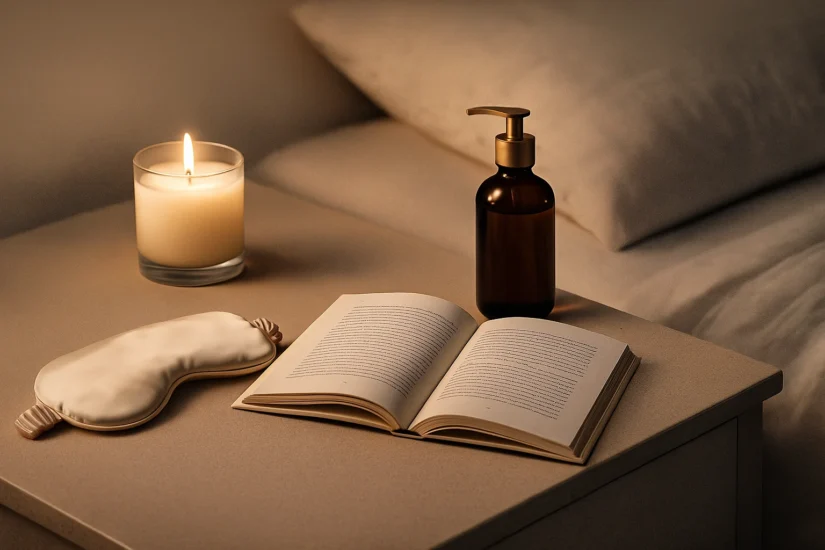
Image Disclaimer: This image contains AI-generated elements created for illustrative purposes only. The visual includes representations of wellness items and should not be interpreted as depicting real supplements or products.