
Discover effective skin barrier repair with ceramides, squalane & more. Restore hydration, calm irritation, and strengthen your skin naturally.
When your skin suddenly feels tight, dry, or inflamed, it’s often a sign that your skin barrier is damaged. This delicate layer — your body’s first line of defense — is what keeps hydration in and irritants out. Once compromised, it can lead to dryness, redness, and sensitivity that even the best moisturizer can’t fix.
Skin barrier repair is essential for maintaining hydrated, resilient skin. When the skin barrier becomes damaged, moisture escapes more easily — leading to dryness, irritation, and sensitivity.
A damaged skin barrier can lead to dryness, irritation, redness, and breakouts — but with the right ingredients and a gentle routine, your skin can recover and regain its natural balance.
That’s where skin barrier repair comes in. In this ultimate guide, we’ll explore how restorative ingredients like ceramides, squalane, and niacinamide work together to lock in moisture and strengthen your skin’s natural defenses — with gentle, science-backed tips on how to repair your skin barrier naturally.
Table of Contents
- What Is the Skin Barrier
- Signs Your Skin Barrier Is Damaged
- What Causes Skin Barrier Damage
- Why Skin Barrier Repair Is Important
- Key Ingredients for Skin Barrier Repair
- How to Repair Your Skin Barrier Naturally
- Skin Barrier Repair Routine
- How to Prevent Skin Barrier Damage
- FAQ Skin Barrier Repair
What Is the Skin Barrier?

Your skin barrier, also known as the stratum corneum, acts as your body’s natural shield against dryness and irritation. Think of it as a brick wall: the skin cells are the “bricks,” and the lipids — ceramides, cholesterol, and fatty acids — are the “mortar” that holds everything together.
When this protective layer is healthy, it locks in moisture, prevents transepidermal water loss (TEWL), and keeps environmental stressors at bay. But when it becomes compromised, that defense weakens — leading to dryness, redness, and sensitivity that signal a weakened skin barrier.
7 Signs Your Skin Barrier Is Damaged
A damaged skin barrier can reveal itself in subtle but noticeable ways. When the skin barrier becomes compromised, it loses moisture more easily and becomes more vulnerable to irritation, inflammation, and environmental stress.
Here are seven common signs your skin barrier may be damaged:
1. Persistent Dryness or Tightness
If your skin feels dry, tight, or uncomfortable even after moisturizing, it may indicate that your skin barrier is struggling to retain moisture.
2. Flakiness or Rough Texture
A compromised barrier often causes visible flakes or a rough, uneven texture due to increased moisture loss.
3. Redness or Itching After Cleansing
If your skin becomes red, itchy, or irritated after washing your face, your cleanser may be stripping away essential lipids.
4. Burning or Stinging When Applying Skincare
Sensitive or damaged skin may react with burning or stinging sensations when applying products that previously felt comfortable.
5. Sudden Breakouts or Irritation
When the barrier weakens, bacteria and irritants can penetrate the skin more easily, leading to unexpected breakouts or inflammation.
6. Increased Sensitivity to Products
Products that once worked well may suddenly cause irritation or redness when your skin barrier is compromised.
7. Dull or Uneven Skin Appearance
A damaged barrier can disrupt the skin’s natural renewal process, leaving the complexion looking dull and uneven.
When these signs appear, your skin often needs a recovery phase — not stronger actives or exfoliants, but gentle hydration and a simplified routine that supports skin barrier repair.
What Causes Skin Barrier Damage
Your skin barrier can become compromised for many reasons, especially when the skin is exposed to stress, harsh products, or environmental factors. Understanding these triggers is the first step toward effective skin barrier repair.
Some of the most common causes of skin barrier damage include:
Over-exfoliation: Using strong chemical exfoliants too frequently can weaken the skin’s protective lipid layer and disrupt its natural balance.
Harsh cleansers: Cleansers that contain sulfates or high-pH formulas may strip away natural oils that keep the skin barrier intact.
Overuse of active ingredients: Retinoids, acids, and strong treatments can irritate the skin when layered too often or used without proper hydration.
Environmental stressors: Cold weather, wind, pollution, and UV exposure can all weaken the skin barrier and increase moisture loss.
Dehydration and lack of moisture: When the skin lacks sufficient hydration and lipids, it becomes more vulnerable to dryness, irritation, and sensitivity.
By identifying these triggers and simplifying your skincare routine, you can begin the process of restoring your skin barrier and protecting it from future damage.
Why Skin Barrier Repair Is Important?
A healthy skin barrier is the foundation of hydrated, resilient, and balanced skin. When this natural shield is strong, your complexion appears smoother, plumper, and naturally radiant. But when it becomes a damaged skin barrier, moisture escapes more easily — leaving the skin dry, sensitive, and prone to premature fine lines.
That’s why focusing on gentle barrier repair plays such an important role in maintaining long-term skin health. It helps to:
- Lock in long-lasting moisture
- Support elasticity and smooth texture
- Soothe irritation and redness
- Strengthen resilience against environmental stressors
By focusing on gentle barrier repair, you allow your skin to recover, rebuild its natural defenses, and restore the skin barrier to its calm, hydrated glow.
Now that you understand why skin barrier repair is important, let’s explore the key ingredients that help strengthen and restore it.
Key Ingredients That Restore Your Skin Barrier
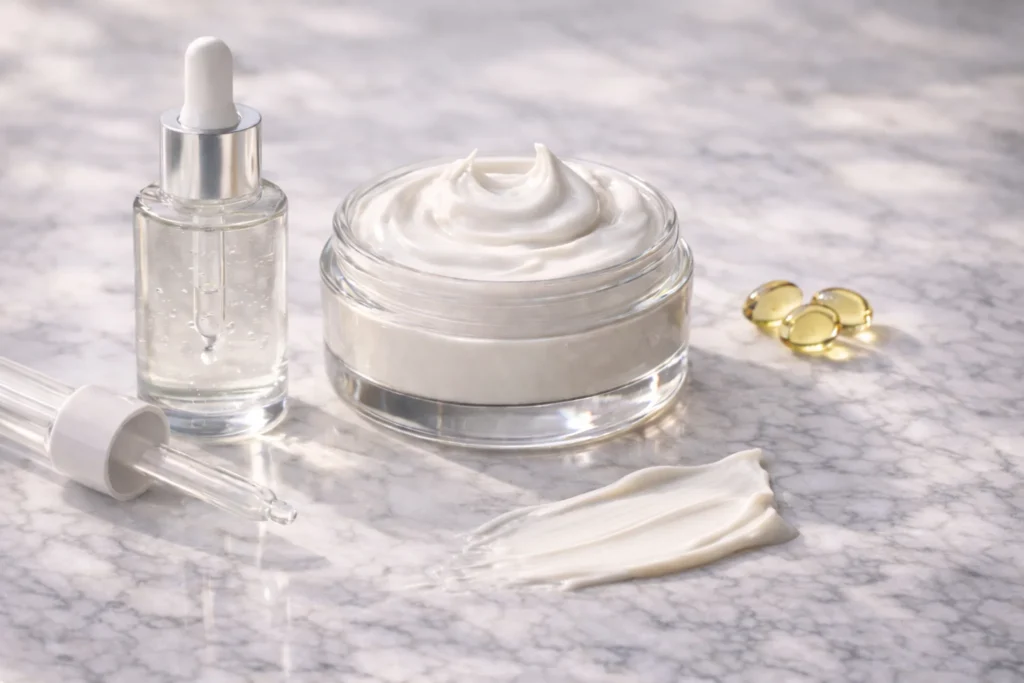
Healthy, radiant skin starts with the right ingredients. When it comes to skin barrier repair, a few powerhouse nutrients stand out for their ability to replenish, protect, and restore your skin’s natural balance — keeping hydration locked in and irritation out.
Ceramides – The Structural Lipids
Ceramides are essential building blocks for a strong skin barrier, making up nearly half of its outermost layer. They act like glue, sealing gaps between skin cells and preventing moisture loss. Regular use of ceramide-rich moisturizers helps smooth texture, reduce sensitivity, and support long-term hydration. Learn more about Ceramides for Skin Barrier Repair: How They Strengthen Your Skin and their role in maintaining moisture balance.
Look for: Ceramide NP, AP, EOP, or complex blends in creams and serums.
Squalane – The Lightweight Protector
Derived from olives or sugarcane, Squalane is a lightweight, non-comedogenic oil that mimics your skin’s natural sebum and supports effective barrier repair. It nourishes without clogging pores and helps boost elasticity and radiance while reinforcing the lipid layer that keeps hydration sealed in.
Niacinamide – The Barrier Booster
Also known as Vitamin B3, niacinamide for skin barrier support helps the skin produce more ceramides and fatty acids — essential lipids for a strong, resilient barrier. It may reduce redness, calm sensitivity, and improve uneven tone, making it a versatile addition to any skincare routine.
Learn more about Niacinamide Benefits: Why It Belongs in Every Skincare Routine to understand how this multitasking ingredient supports hydration and barrier repair.
Fatty Acids & Cholesterol – The Unsung Heroes
These essential lipids fill the spaces between skin cells, keeping your barrier soft, flexible, and healthy. Natural sources like jojoba oil, shea butter, sunflower seed oil, and rosehip oil help replenish moisture and maintain your skin’s natural lipid balance.
When combined with ceramides and squalane, they form a complete lipid matrix that mirrors your skin’s natural composition — the foundation of a smooth, hydrated complexion.
How to Repair Your Skin Barrier Naturally?
If your skin feels tight, dry, or irritated, it’s time to focus on how to repair your skin barrier the right way. The goal isn’t to overload your routine but to simplify and rebuild with nourishing, hydrating steps that restore your skin barrier and promote long-term balance.
Here’s how to repair your skin barrier step by step:
- Pause harsh actives such as strong exfoliants or retinoids for at least two weeks.
- Cleanse gently with a sulfate-free or pH-balanced cleanser.
- Hydrate deeply using toners or essences rich in humectants like glycerin or hyaluronic acid.
- Moisturize with ceramide- or squalane-based creams to strengthen and protect the barrier.
- Protect daily with SPF 30 or higher to prevent further damage and maintain a healthy skin barrier.
Tip: Think “fewer, better products.” Rest, moisture, and consistency are what truly support effective skin barrier repair — not aggressive treatments.
Daily Routine for Skin Barrier Repair
A consistent skincare routine is key to repairing your skin barrier and helping it recover naturally. Below is a simple, balanced ritual that supports hydration, calmness, and long-term skin health.
Morning Routine
- Cleanse with a gentle, sulfate-free or pH-balanced cleanser to remove impurities without stripping your skin.
- Hydrate with a lightweight toner or essence to prep for moisture.
- Apply a niacinamide serum (2–5%) to support lipid production and strengthen your barrier.
- Moisturize with a ceramide-rich cream to lock in hydration.
- Protect with SPF 30+ — your daily essential for maintaining barrier resilience and long-term skin health.
Evening Routine
- Cleanse with a mild, non-stripping cleanser or micellar water to remove makeup and sunscreen.
- Nourish with a squalane or ceramide-based serum to replenish lost lipids.
- Moisturize with a night cream rich in fatty acids and cholesterol to reinforce your barrier overnight.
- Optional: Use an overnight mask twice a week for deep recovery.
Pro Tip: Avoid over-exfoliating — give your skin 2–3 weeks to fully restore before reintroducing strong actives. Gentle consistency is the secret to lasting skin barrier repair. If dryness persists, check out our guide on Top Hydrating Ingredients Your Skin Needs to strengthen moisture levels naturally.
Expert Tips to Prevent Skin Barrier Damage
Once you’ve restored your barrier, daily habits play a major role in maintaining a healthy skin barrier. Follow these simple steps to keep your complexion calm, hydrated, and resilient — and support lasting skin barrier protection.
- Use lukewarm (not hot) water when cleansing to avoid stripping your skin’s natural oils.
- Skip harsh foaming cleansers that contain sulfates or alcohol.
- Protect your skin from UV rays and pollution with daily SPF and antioxidant-rich care.
- Maintain balanced indoor humidity to prevent dehydration and dryness.
- Simplify your skincare routine — fewer products, better results.
- Be gentle after exfoliating; let your skin rest to restore the barrier naturally.
Tip: Consistency matters more than complexity. A minimal, mindful approach helps maintain a strong, protected skin barrier every day.
Best Products for Skin Barrier Repair
When your skin barrier needs extra care, the right skincare products can make a visible difference. The best formulas for skin barrier repair combine replenishing lipids, hydrating humectants, and soothing actives to balance hydration and calm irritation.
Below are a few editor-recommended options that gently support barrier repair and hydration:
1. CeraVe Moisturizing Cream
A dermatologist favorite, this barrier repair cream with ceramides and hyaluronic acid locks in moisture and strengthens your skin’s natural defense — ideal for dry or sensitive skin.
2. The Ordinary 100% Plant-Derived Squalane
A lightweight oil that mimics natural sebum, sealing in hydration and reducing flakiness without clogging pores.
3. La Roche-Posay Cicaplast Baume B5
Blends panthenol and madecassoside to calm redness and tightness while promoting barrier recovery — perfect for stressed or post-exfoliated skin.
4. Paula’s Choice Barrier Repair Moisturizer
Enriched with niacinamide and peptides to improve elasticity, smoothness, and long-term hydration.
5. Dr. Jart+ Ceramidin Cream
A cult-favorite with five ceramides that replenish essential lipids, leaving skin plump and protected even in harsh weather.
Pro Tip: Introduce new products gradually and patch-test before use. Consistency, not overload, leads to real barrier repair.
FAQ – Frequently Asked Questions About Skin Barrier Repair
1. How long does it take to repair the skin barrier?
Everyone’s skin heals at a different pace, but with gentle care, most people see improvement from skin barrier repair within 2–4 weeks. Consistent moisturizing, SPF, and avoiding harsh actives are key to restoring a healthy skin barrier.
2. What helps repair a damaged skin barrier the fastest?
To repair a damaged skin barrier fast, pause exfoliants and retinoids for at least two weeks. Use a barrier repair cream rich in ceramides or squalane, stay hydrated, and protect your skin with sunscreen daily to speed up recovery.
3. How can I repair my skin barrier naturally?
The best way to start skin barrier repair naturally is through simple, nourishing care. Cleanse gently with a pH-balanced cleanser, moisturize with ceramides or squalane, and protect with SPF. These steps help restore the skin barrier without harsh treatments.
4. How can I tell if my skin barrier is damaged?
A damaged skin barrier often feels dry, tight, or irritated. You may notice redness, stinging, or sensitivity after applying products. These are your skin’s signals that it needs moisture, rest, and a simplified barrier repair routine.
5. What products are best for skin barrier repair?
Look for barrier repair creams and serums that help restore the skin barrier, containing ceramides, niacinamide, fatty acids, or squalane. These ingredients rebuild lipids, soothe irritation, and strengthen your skin’s natural defenses over time.
6. How can I prevent future skin barrier damage?
To maintain a healthy skin barrier, keep your routine consistent and minimal. Use SPF daily, avoid harsh cleansers, and stay hydrated — these small habits provide lasting skin barrier protection and resilience.
Pro Tip: Healing your skin barrier takes patience. Think “less is more” — gentle hydration and daily sun protection are your skin’s best allies for long-term balance.
7. Can a damaged skin barrier heal itself?
Yes, the skin barrier can heal naturally when given the right conditions. Simplifying your routine, avoiding harsh actives, and using barrier-repair ingredients like ceramides and squalane can help the skin restore itself over time.
How Long Does Skin Barrier Repair Take
Most skin barriers begin improving within 2–4 weeks when supported with gentle skincare, hydration, and sun protection. Severe barrier damage may take longer depending on environmental stress and product use.
Key Takeaways: How to Repair a Damaged Skin Barrier
Repairing a damaged skin barrier doesn’t require complicated routines or dozens of products. In most cases, the key is simplifying your skincare and focusing on hydration, gentle care, and barrier-supporting ingredients.
To repair a damaged skin barrier:
- Pause strong actives such as exfoliating acids, retinoids, or harsh treatments for at least two weeks.
- Use a gentle cleanser that won’t strip away your skin’s natural oils.
- Moisturize with barrier-repair ingredients like ceramides, fatty acids, cholesterol, or squalane.
- Hydrate your skin with humectants such as glycerin or hyaluronic acid to maintain moisture balance.
- Apply sunscreen daily to protect your skin barrier from UV damage and environmental stress.
- Keep your routine simple and consistent while your skin recovers.
With patience and the right ingredients, most skin barriers begin to improve within a few weeks, gradually restoring hydration, resilience, and a healthy glow.
Final Thoughts – The Path to Long-Term Skin Barrier Health
You’ve learned the essentials of skin barrier repair — from understanding its function to choosing the right ingredients, products, and daily habits. Remember: radiant skin isn’t about perfection; it’s about protection, patience, and balance.
A consistent, gentle routine is the foundation of effective skin barrier repair and long-term skin health. Prioritize hydration, avoid harsh actives, and give your skin time to recover. With every small, mindful choice, you’re building lasting skin barrier protection that keeps your complexion calm, resilient, and naturally glowing.
Final Takeaway: Less stress. More moisture. A simpler routine is the secret to glowing, balanced skin — because when your skin barrier is strong, everything else falls into place.
Read More About Skincare:
- The Ultimate Skincare Routine for Dry and Sensitive Skin – Discover a gentle routine that hydrates, protects, and supports a resilient skin barrier.
- Top Hydrating Ingredients Your Skin Needs – Find the most effective humectants and emollients for deep, lasting hydration.
- How to Create a Daily Self-Care Routine That Actually Works – Balance your skincare with mindfulness — because radiant skin starts with a calm mind.
Disclaimer: The information in this article is intended for educational and informational purposes only. It is not a substitute for professional medical advice, diagnosis, or treatment.
If you experience persistent irritation, sensitivity, or any skin condition, please consult a qualified dermatologist or healthcare provider before trying new skincare products or routines.
Pure as Beauty shares content to inspire mindful, evidence-based skincare and wellness practices — always listen to your skin and adapt your routine to your unique needs.