
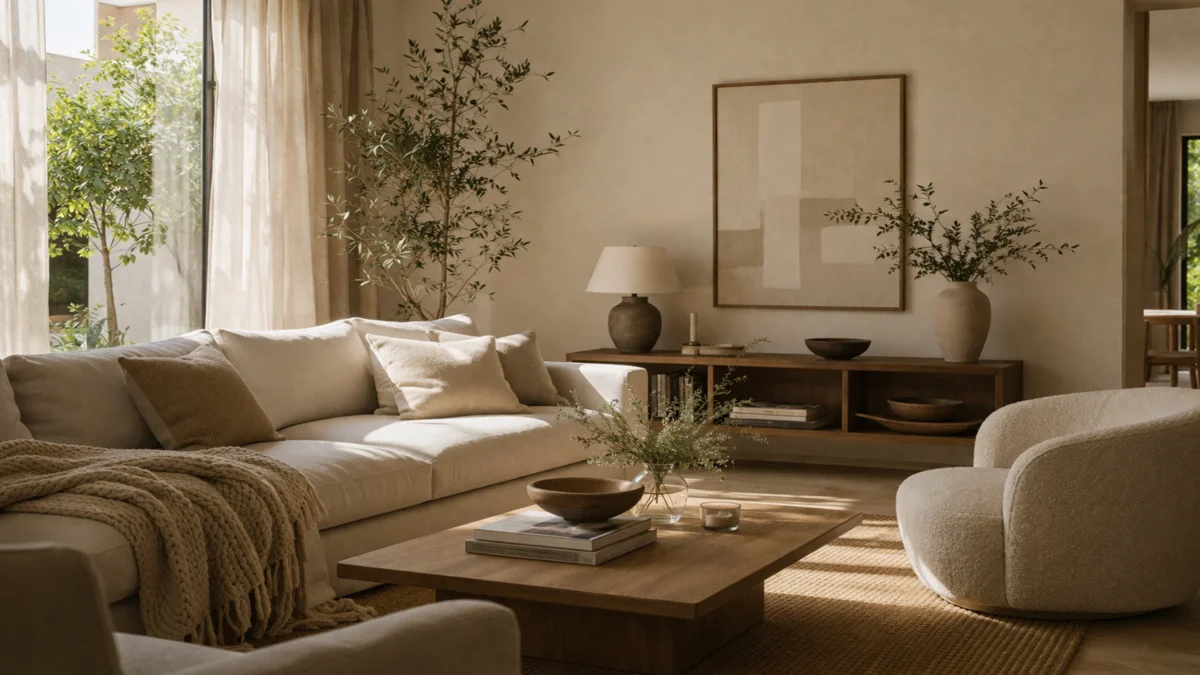
Designing a calm and comfortable room can shape how you feel throughout the day, often in ways that are not immediately obvious. Discover how light, layout, and small details create a space that feels natural, balanced, and easy to live in.
A calm and comfortable room is not only about how a space looks, but how it feels to spend time in it. The way light enters the room, how textures interact, and how everything is arranged can quietly influence your daily experience.
In many homes, the feeling of comfort comes from small details rather than big design changes. A space that feels balanced and natural can support a more relaxed and steady rhythm throughout the day, without drawing too much attention to itself.
How to Create a Calm and Comfortable Room
A room often shapes how you move, focus, and relax without you noticing it directly. When a space feels calm and comfortable, it tends to support a more natural flow throughout the day, making everyday moments feel less interrupted.
You may not notice this immediately, but over time, the way a space feels can become part of your everyday experience.
This connection between space and daily comfort is often subtle, but consistent over time. It may not come from a single element, but from how everything works together. The placement of furniture, the openness of the layout, and the overall balance of the room can influence how easy it feels to spend time there.
Over time, these small factors can shape how present and at ease you feel. A space that feels aligned with your daily rhythm often allows you to move through your day with less friction, even if the change is not immediately obvious.
A space rarely feels comfortable because of a single element — it is usually the absence of friction that makes it feel easy to live in.
How Your Room Affects Your Mood and Comfort
Light is often one of the most defining elements of how a room feels. Natural light can create a softer and more open atmosphere, while harsher lighting may make a space feel slightly tense or less inviting. The way light moves throughout the day can also influence how the room is experienced over time.
For example, you may have experienced a room that looked well-designed but felt slightly uncomfortable to spend time in. This difference is often not immediately visible, but becomes more noticeable the longer you stay.
Textures can quietly affect the overall atmosphere of a space. Soft fabrics, natural materials, and subtle contrasts can make a room feel more balanced and visually calm, while overly uniform surfaces may feel less engaging.
Layout plays an equally important role. When movement within a room feels natural and uninterrupted, the space tends to feel easier to live in. In contrast, when objects are placed without a sense of flow, even a well-designed room may feel slightly off in everyday use.
Small Details That Shape a Calm and Comfortable Room
In many spaces, the overall feeling is shaped by details that are easy to overlook.
Sometimes, the difference is immediate. You walk into a room and it either feels easy to be in — or it doesn’t.
Even when everything looks right, something can still feel slightly off. At the same time, a simpler space can feel noticeably more comfortable without any obvious reason.
This is often where the real difference appears — not in how a room looks, but in how it allows you to exist in it.
The position of everyday objects, the distance between furniture, and the way colors interact can all influence how a room feels over time. Even small differences can change how a room is experienced.
These are often the details that quietly determine whether a space feels comfortable or slightly off:
- the distance between furniture
- how light falls across different surfaces
- the mix of textures within the room
- the placement of everyday objects
While these elements may seem subtle on their own, together they can influence how natural and comfortable a space feels in everyday life.
In everyday life, this difference can be easier to notice than expected. A room may look well-designed, yet still feel slightly uncomfortable to spend time in. At the same time, a simpler space can feel noticeably easier to live in.
This contrast often becomes more visible over time. When a space feels natural, you tend to move through it without thinking. When something feels off, even slightly, it can create a subtle sense of distraction that is difficult to explain but easy to feel.
What Makes a Room Feel Calm and Comfortable
Most people assume comfort comes from how a room looks.
But in reality, it often comes from how easy it is to exist in that space.
A room can be visually appealing and still feel slightly uncomfortable to spend time in. At the same time, a simpler space can feel noticeably more comfortable without any obvious design features.
What makes the difference is often subtle. It is how naturally you move within the space, how quickly you settle into it, and whether anything feels slightly distracting over time.
Comfort is rarely about adding more. It is usually about removing friction.
How to Design a Comfortable Living Space
A calm and comfortable room often feels effortless rather than designed. It reflects a space that adapts to your daily rhythm instead of requiring constant adjustment.
When a room supports how you naturally move and spend time, it tends to feel easier to live in. The placement of objects, the openness of the layout, and the overall atmosphere can contribute to a sense of quiet support.
Over time, this kind of environment can make everyday routines feel smoother and more consistent. Rather than drawing attention to itself, the space allows you to focus on what you are doing, while still shaping the way the experience feels.
How to Maintain a Calm and Comfortable Room Over Time
Designing a calm and comfortable room is often less about following specific rules and more about noticing how a space feels over time. When light, layout, and small details come together naturally, the room can support a more balanced and steady daily experience.
This sense of balance does not require constant changes. Instead, it often develops through a gradual awareness of what feels comfortable and what does not. As a result, the space becomes easier to live in without needing to be adjusted or improved continuously.
Over time, the impact of a space becomes less about how it looks and more about how it supports your daily life. When a room feels truly comfortable, you move through it without hesitation, without adjustment, and without distraction.
This is often the difference between a space that looks good and a space that feels right — and once you notice it, it becomes difficult to ignore.
In a similar way, what you wear can also influence how you feel throughout the day — you can explore this further in our guide on how clothes affect your mood and confidence.
When a space feels easy to live in, it often goes unnoticed — but its impact becomes clear in how naturally you move through your day.
Frequently Asked Questions
What makes a room feel calm and comfortable?
A room often feels calm and comfortable when light, layout, and textures work together in a balanced way. Natural light, soft materials, and a simple arrangement can create a space that feels easier to spend time in throughout the day.
How can a space influence how you feel?
A space can influence how you feel by shaping your daily experience in subtle ways. The way a room is arranged, how open it feels, and how light moves through it can affect how relaxed or focused you feel over time.
Why do some rooms feel more comfortable than others?
Some rooms feel more comfortable because of how different elements come together. When furniture placement, lighting, and materials feel aligned, the space often creates a more natural and supportive environment.
Does room design affect mood?
Room design can influence mood in indirect ways. A balanced and comfortable space may support a more relaxed and steady feeling, while a space that feels cluttered or unbalanced can feel slightly distracting.
What creates a comfortable living space?
A comfortable living space often comes from a combination of natural light, thoughtful layout, and subtle details. When these elements feel aligned, the space tends to support everyday living more easily.
Disclaimer: This article is based on general lifestyle insights and everyday observations about home environments and personal comfort.
Written by Pure as Beauty